
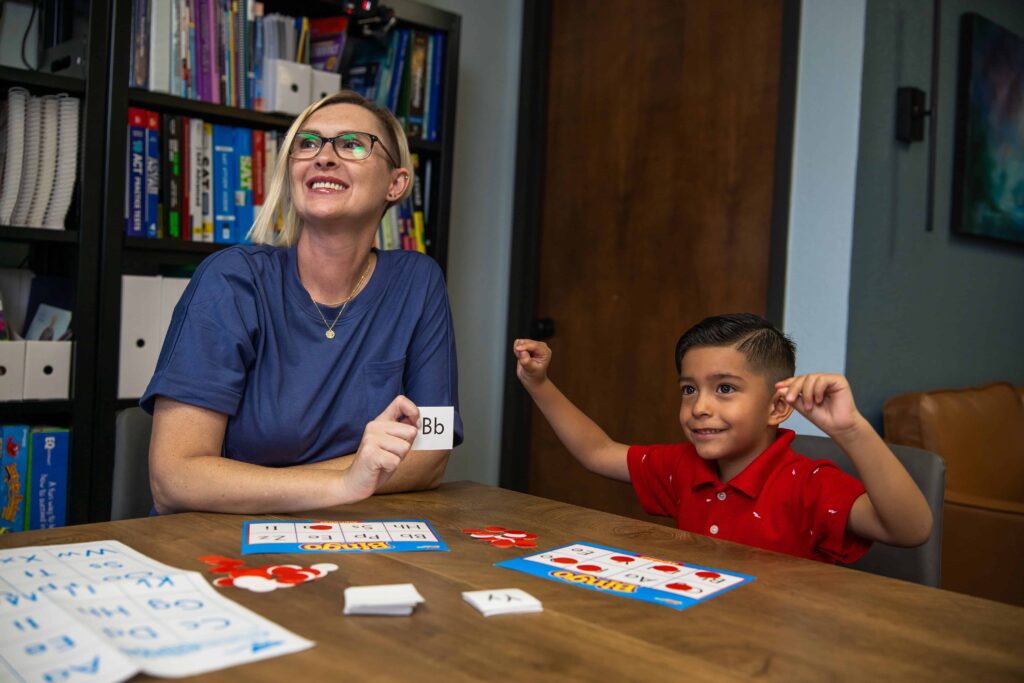
Sometimes it is obvious when a student needs extra academic support. A grade drops. A test goes badly. Homework turns into a nightly battle.
Other times, the signs are quieter.
Your child may still be passing, but school feels harder than it should. They may avoid certain subjects, get frustrated quickly, or say things like, “I’m just bad at math,” “I don’t get it,” or “I don’t care.” For many students, those words are not laziness. They are signs that something is not clicking.
Tutoring can help when a student needs more than repeated reminders to try harder. The right support can help identify what is getting in the way and give the student a clearer path forward.
1. Homework Takes Much Longer Than Expected
If a short assignment turns into hours of frustration, there may be more going on than a lack of effort.
The student may be missing a foundational skill, misunderstanding the instructions, struggling to organize the steps, or feeling overwhelmed before they even begin. Tutoring can help slow the process down and figure out where the breakdown is happening.
2. Your Child Avoids Certain Subjects
Avoidance is often a clue.
A student who always puts off reading, writing, math, or studying may not be trying to be difficult. They may be avoiding the feeling of being confused, embarrassed, or unsuccessful.
Tutoring gives students a calmer place to ask questions, try again, and work through the subject without the pressure of a full classroom.
3. Confidence Is Dropping
One of the biggest signs a student may need support is a change in confidence.
They may say they are “bad” at a subject. They may stop volunteering answers. They may get upset before tests or shut down during homework.
Academic support is not only about grades. It is also about helping students rebuild trust in their ability to learn.
4. The Same Problems Keep Showing Up
If the same issue appears again and again, it may be a skill gap.
For example, a student may struggle with fractions because number sense never fully developed. They may struggle with essays because organizing thoughts on paper is difficult. They may struggle with tests because they do not know how to study effectively.
Tutoring can help look beneath the assignment and find the missing piece.
5. Your Child Is Doing Okay, But Wants to Get Ahead
Tutoring is not only for students who are behind.
Some students benefit from extra support before a difficult class, an upcoming test, a transition to a new grade level, or a more challenging academic season. Tutoring can help students strengthen skills before they feel overwhelmed.
6. You Are Not Sure What Kind of Help They Need
You do not have to figure it out alone.
A consultation can help identify what is going on, what support may make sense, and whether tutoring is the right next step. Sometimes the answer is academic tutoring. Sometimes it is test prep, study skills, organization support, or a different approach to learning.
Start With a Conversation
If schoolwork is becoming stressful, your child is losing confidence, or you are not sure what kind of support they need, the first step is a conversation.
Kay Gibbs Tutoring provides personalized academic support, test prep, and learning-difference-informed tutoring in El Paso for students who need a clearer, more supportive way forward.
Book a consultation to talk through what is going on and find the right next step.